Definition:

PIDA 2.0
Redefining Spaces, Elevating Lives
introducing
harm reduction interior design style
Created by: Damion Pasion Jones
What is Harm Reduction Interior Design Style?
MISSION OF HRID: To create wellness-focused, inclusive, and sustainable spaces that empower individuals, support recovery, and enhance overall well-being.

PILAR 1: Wellness-Centric Design
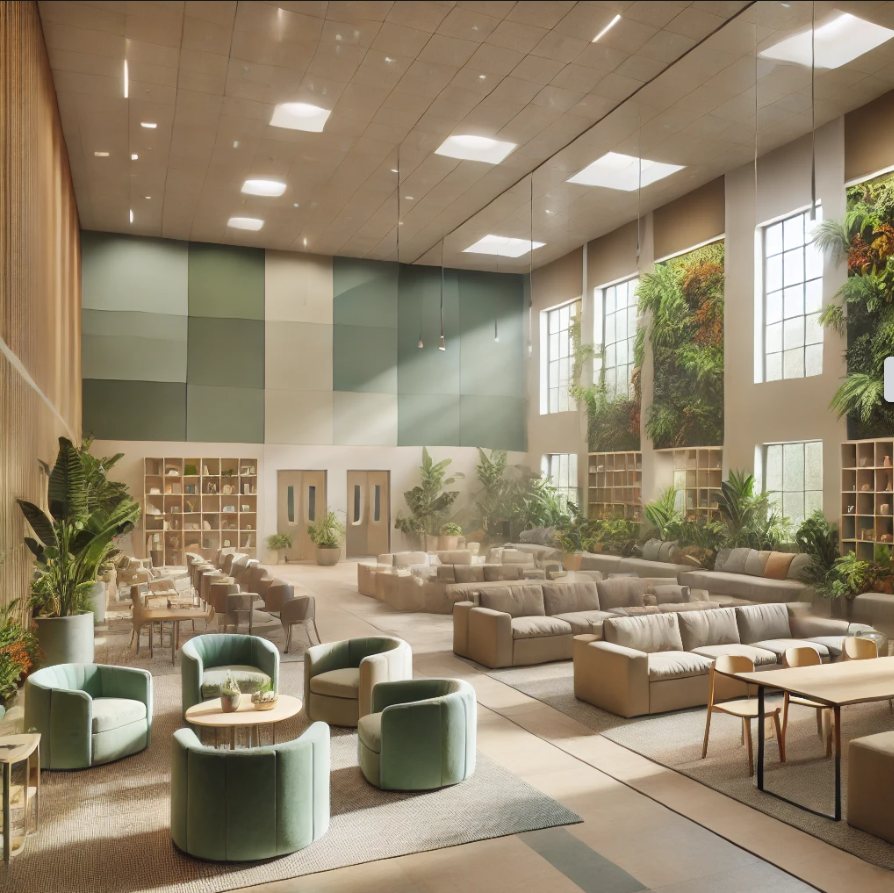
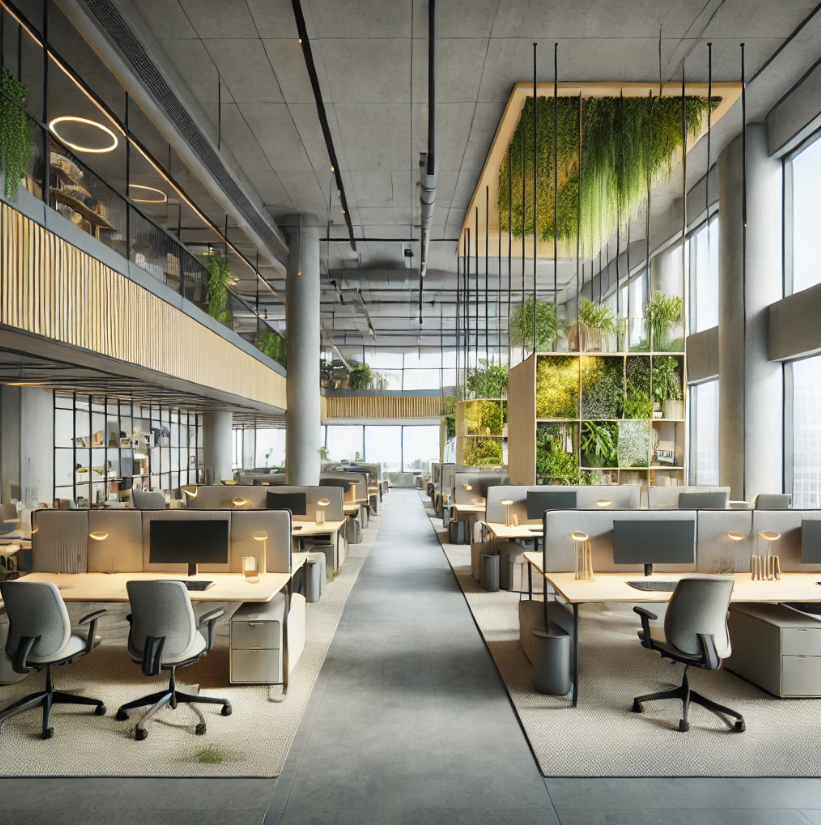
Comfort and Functionality: Ergonomic furniture, soothing layouts, and accessibility promote mental and physical well-being.
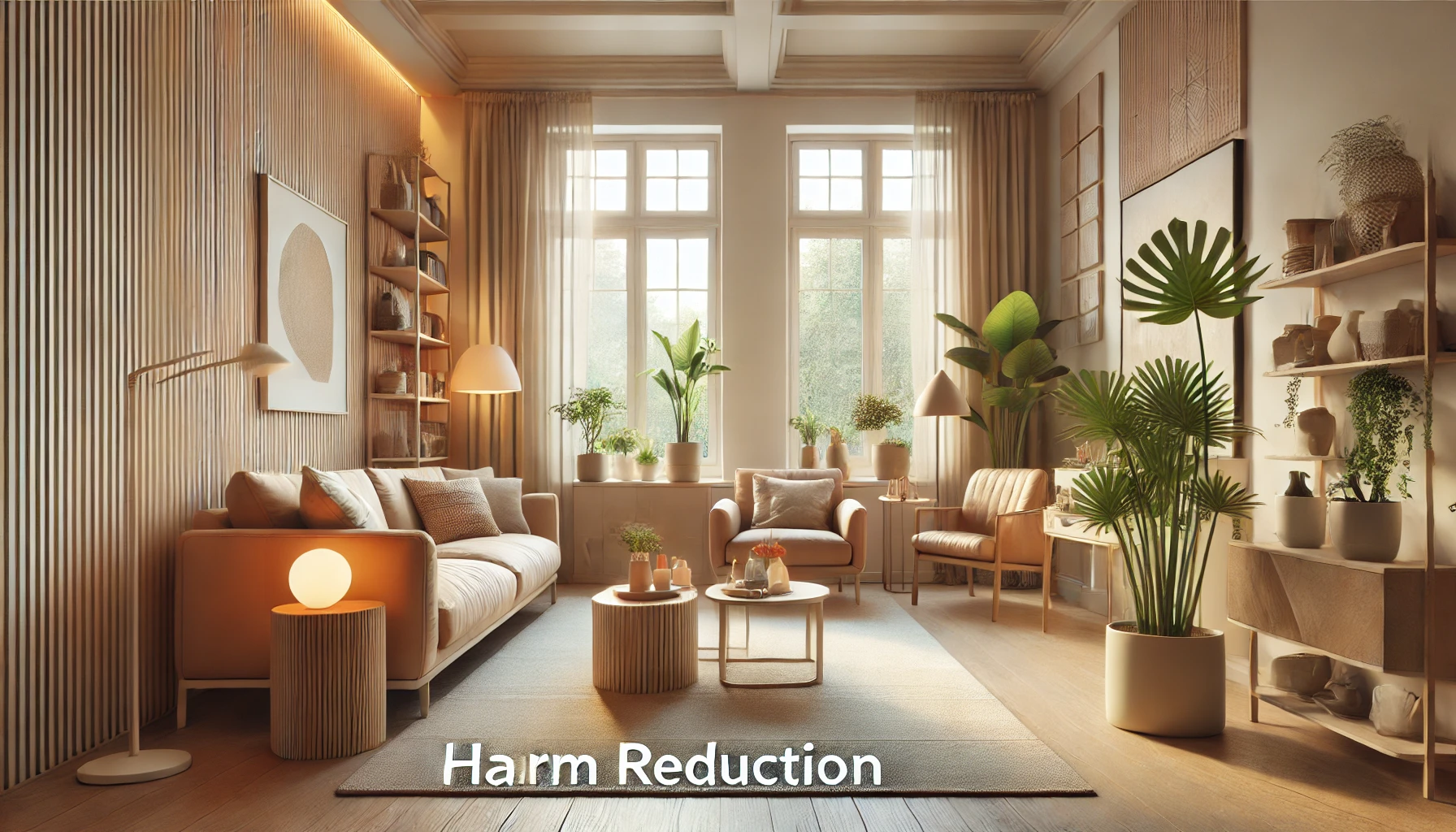
Healing Spaces: Calming colors, natural light, and biophilic elements reduce stress and encourage relaxation.
Empowering Customization: Flexible, adaptable spaces foster ownership and support personal growth.

PILAR 2: Intentional and Inclusive Aesthetics
Cultural Representation: Incorporate design elements that honor inhabitants’ identities and values, fostering a sense of belonging.
Warm, Inviting Designs: Replace clinical aesthetics with human-centered, welcoming features.
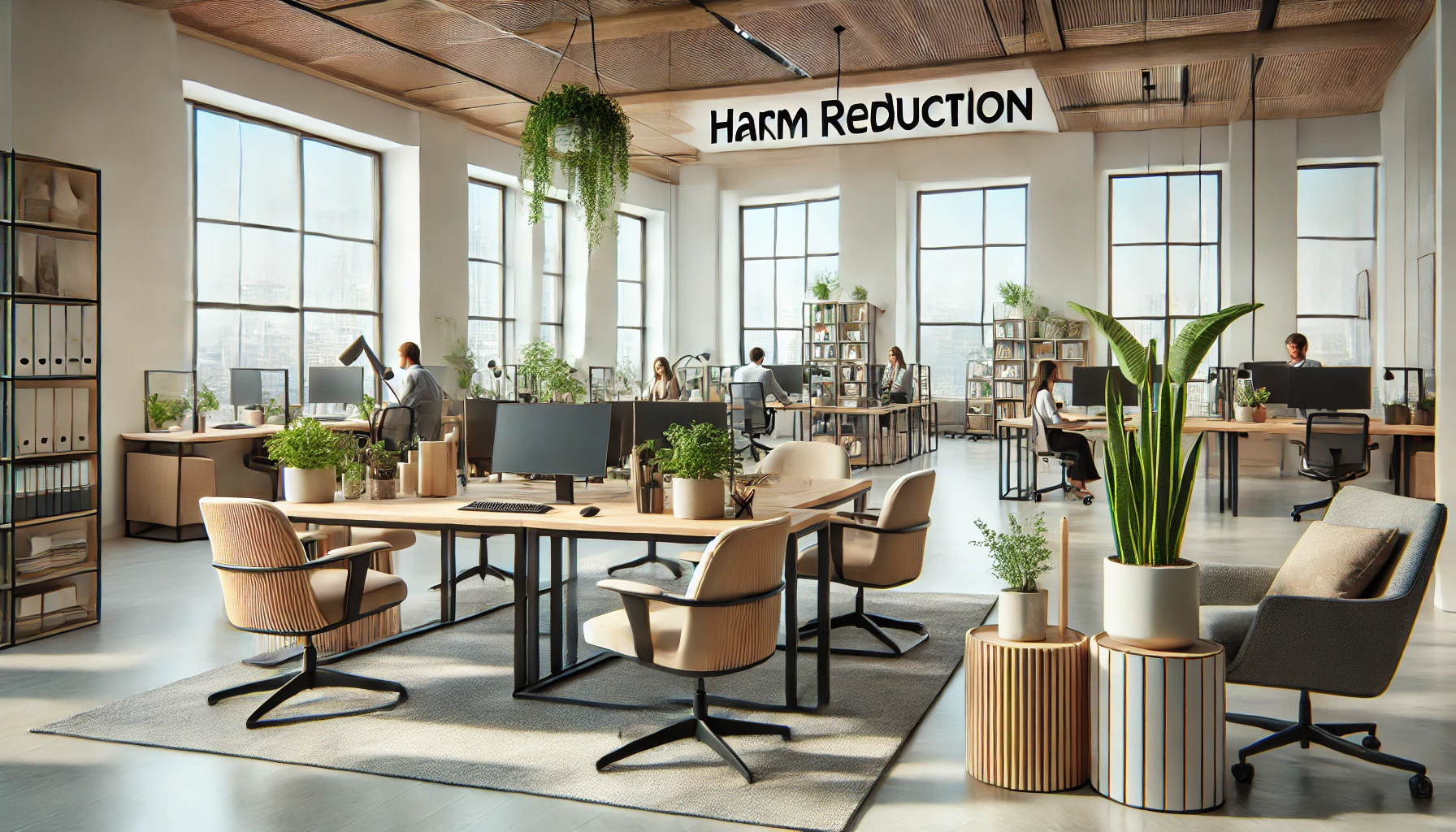
Multi-Functional Spaces: Create versatile spaces for private reflection and communal connection.

PILAR 3: Sustainability and Accessibility
Affordable Sustainability: Use durable, cost-effective materials to balance quality and accessibility.
Eco-Friendly Practices: Integrate upcycled furniture, energy-efficient systems, and green design.
Universal Design: Ensure layouts accommodate all abilities with clear navigation and adaptability.
3 Pillars of HRID
Reimagining Design with Purpose, Safety, and Dignity
Harm Reduction Interior Design (HRID) is more than a style—it’s a transformative design framework built on the belief that every space has the power to heal, protect, and uplift. At the heart of HRID are three foundational pillars that guide every design decision: Safety, Inclusivity, and Intentionality. These core pillars ensure that interior environments do more than look good—they feel good, function ethically, and reduce harm in meaningful, measurable ways.
Whether you’re renovating a recovery center, building transitional housing, or designing trauma-informed community spaces, these three HRID pillars provide the compass for ethical, equitable, and evidence-based design that supports vulnerable populations and prioritizes wellness for all.
Pillar 1
Safety as a Design Imperative
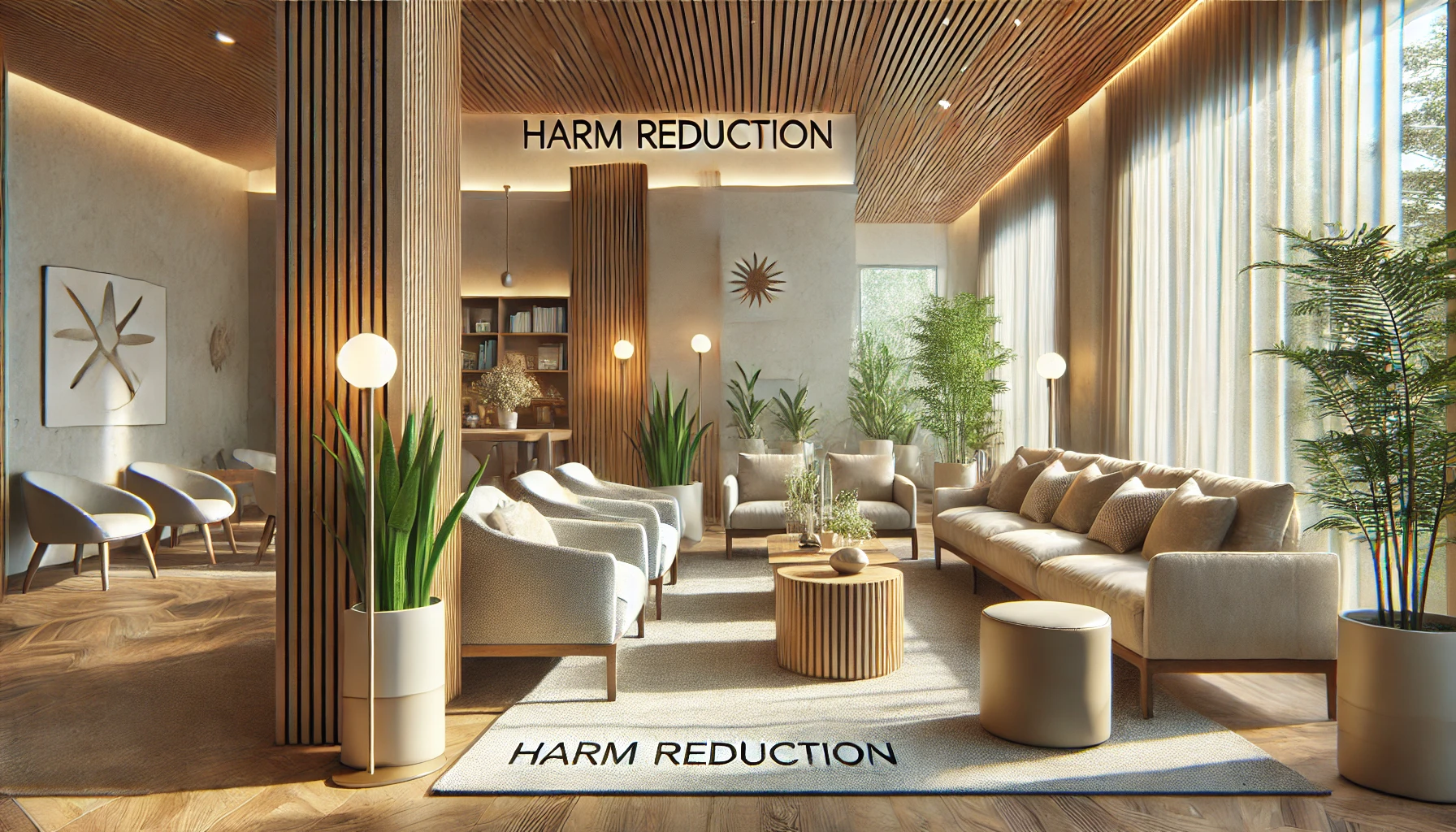
Safety is the bedrock of HRID. Unlike conventional design, which often treats safety as a code-compliance afterthought, HRID centers physical and psychological safety from the start. This means creating trauma-informed spaces that mitigate risk, reduce re-traumatization, and offer calm, secure environments for individuals navigating instability, mental health challenges, or recovery.
From ligature-resistant hardware and soft acoustics to predictable layouts and low-stimulation color palettes, every element is curated to minimize harm. In HRID, safety isn’t a privilege—it’s a non-negotiable right. Design choices are evaluated not just for aesthetics, but for how they feel, how they protect, and how they restore trust in the built environment.
Pillar 2
Inclusivity by Design
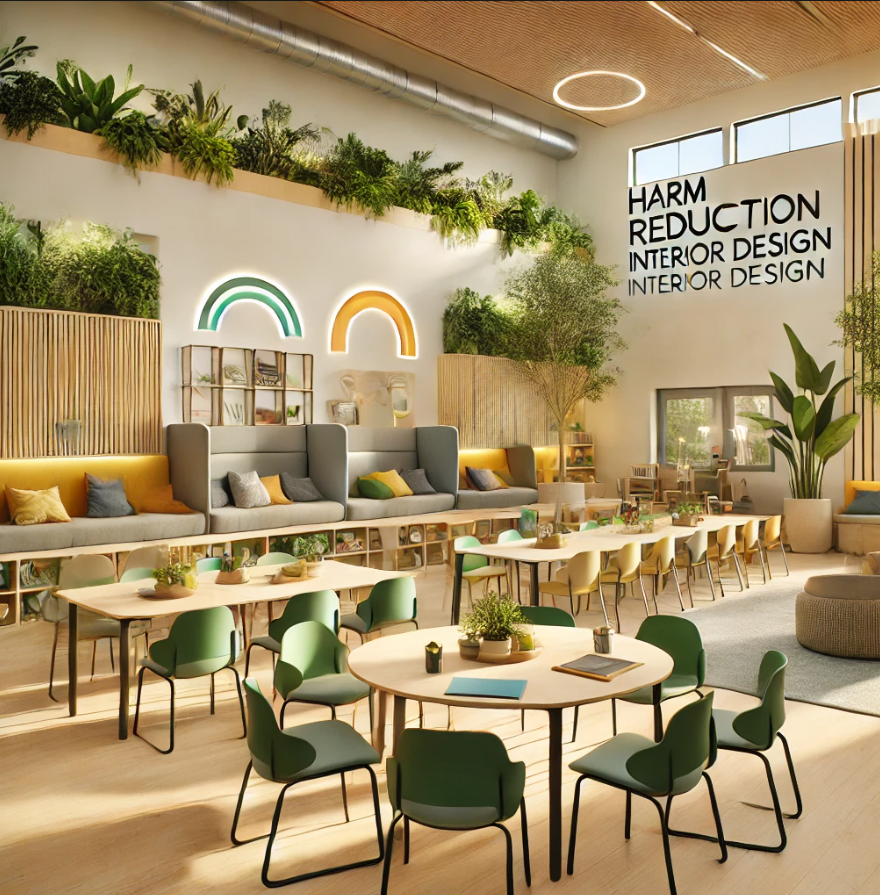
Inclusivity in HRID means designing for everyone—not just the “average” user. This pillar draws from universal design, disability rights, and cultural competence to create interiors that honor a diversity of bodies, minds, and lived experiences. Whether it’s wider hallways for wheelchair access, sensory-friendly textures for neurodiverse individuals, or culturally affirming art and signage, HRID insists on representation through design.
Inclusivity also means dismantling spatial bias. Spaces must feel welcoming to historically excluded communities—people of color, LGBTQIA+ individuals, immigrants, and others often left out of design conversations. Every decision—from furniture configuration to material selection—is filtered through the lens of equity and empowerment.
Pillar 3
Intentionality in Every Detail
HRID believes that nothing in a space is neutral—every texture, fixture, or light source has an impact. The third pillar, intentionality, ensures that environments are deliberately designed to support healing, autonomy, and dignity. From the flow of a waiting room to the placement of a private seating nook, intentionality brings mindfulness to design execution.
This pillar also reinforces HRID’s commitment to ethical materials, sustainable sourcing, and minimizing environmental harm. Choices are guided by the question: “Will this reduce harm for the people who use this space?” The result is a built environment that’s not just beautiful—it’s conscious, contextual, and transformative.
LAUNCH August 13, 2025
PRE-ORDER
Harm Reduction Interior Design:
101 Strategies for Safer, Healthier Environments
HRID Project Categories
What We Offer
Tailored Solutions
Ready To Start A New Project With PIDA 2.0?
Instantly Book A Site Survey
Instantly book a professional site survey for your residential or commercial project. Fast, easy scheduling with clear pricing and no hidden fees. Secure your survey today!
Quick Links
Contact us
Recent Works
Copyright © 2024 PIDA Interior Design Solutions all rights reserved.
